
Wool-Blend Christmas Jumpers: Warmth, Feel and Practical Buying Considerations
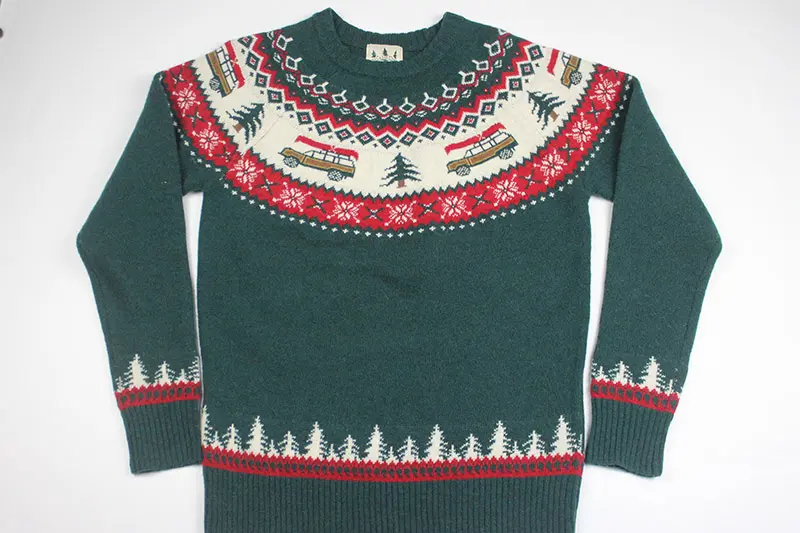
wool-blend-christmas-jumper-material-sample.webp
Alt: Front of a dark green Christmas jumper with camper vans, trees and red and white patterns
Wool-blend Christmas jumpers can be a good direction when a buyer wants a warmer feel, a more substantial hand touch, or a more premium retail position. That does not mean wool blend is always the better choice.
For many bulk Christmas jumper orders, buyers are balancing several things at once: target price, wearing comfort, care label requirements, design appearance, sample approval and the final retail or gift purpose. Wool blend can help with some of these points, but it can also add cost and care considerations.
This guide explains what buyers should check before choosing wool blend for a Christmas jumper order. The aim is not to make wool blend sound better than every other material. The aim is to help you decide whether the extra cost and handling requirements make sense for your project.
Wool blend may be worth considering if the order needs:
- a warmer seasonal feel
- a more substantial hand touch
- a slightly more premium material story
- a jumper suitable for cooler climates
- a retail or private label range where material feel matters
It may not be the most practical choice if the order needs:
- the lowest possible unit price
- very simple machine washing expectations
- a soft feel for sensitive skin without careful testing
- a large promotional order where cost control matters more than fibre content
The safest approach is to review the actual yarn composition, hand feel, sample weight, care label and price difference before deciding.
Quick Wool-Blend Checklist
Use this checklist before approving a wool-blend direction. Wool content should solve a real product problem, such as warmth, texture or premium positioning.
- What wool percentage is being quoted, and what other fibres are included?
- Does the warmer hand feel justify the higher unit cost for this buyer?
- Is the neckline or cuff area comfortable for sensitive wearers?
- Does the sample feel substantial without becoming too heavy for indoor use?
- Are care instructions realistic for the final customer and selling channel?
- Does the material story support the brand, hang tag or retail page?
- Would acrylic, cotton blend or another mixed yarn solve the same need more simply?
What "Wool Blend" Usually Means
In Christmas jumper sourcing, "wool blend" usually means wool is mixed with other fibres. The blend may include acrylic, nylon, polyester, cotton or other fibres depending on the target hand feel, price and performance.
The wool percentage matters. A jumper with a small wool content will not feel the same as one with a higher wool content. A higher wool percentage may improve warmth and texture, but it can also affect price, care and skin feel.
Buyers should not approve a wool-blend direction based only on the words "wool blend". Ask for the fibre composition and review a sample. Two wool-blend yarns can feel quite different in the hand.
Is Wool Blend Better for Premium Christmas Jumpers?
Wool blend can support a premium Christmas jumper range, especially when the buyer wants the garment to feel warmer, heavier or more substantial than a basic promotional jumper. For private label retail, boutique Christmas collections or corporate gifts with a higher budget, that difference can matter.
Still, "premium" should not depend only on the word wool. A jumper can use a wool blend and still feel rough, too thin or unsuitable if the yarn, gauge, finishing and sample quality are not right. A non-wool option can also feel good if the yarn and construction are well chosen.
A more useful question is: does the wool blend improve the jumper in a way your buyer or end customer will actually notice?
For example:
- A boutique retail buyer may care about warmer touch and fibre composition on the label.
- A corporate gift buyer may care more about comfort, easy care and logo clarity.
- A Christmas market seller may need a balance between warm feel and accessible price.
- A charity campaign order may prefer cost control and easy handling over premium fibre content.
Wool blend is useful when it matches the buyer's real selling point, not when it is added only to make the product sound expensive.
Warmth: Where Wool Blend Can Help
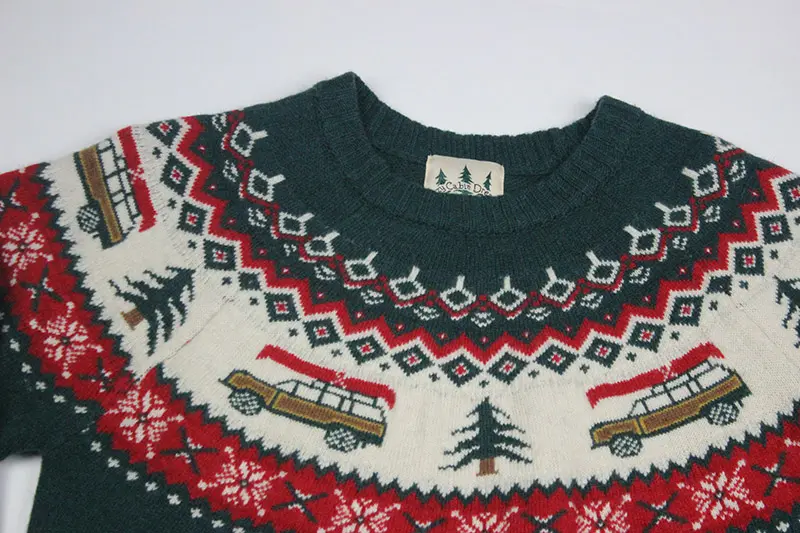
wool-blend-christmas-jumper-warmth-weight-check.webp
Alt: Close-up of a dark green jumper neckline, neck label and camper van pattern
Wool is often chosen because it can add warmth. For Christmas jumpers sold in the UK, Ireland, Nordic countries and colder European markets, warmth can be part of the product appeal.
A wool-blend jumper may feel warmer than a lighter cotton-blend jumper. It may also feel more seasonally appropriate for winter retail displays. The final warmth, though, depends on more than fibre content. Yarn thickness, stitch structure, garment weight and fit all affect how warm the jumper feels.
Before placing a bulk order, check:
- fabric weight and thickness
- whether the jumper feels warm without being too heavy
- whether the knit structure has enough body
- whether the sample feels suitable for indoor wear, outdoor markets or colder climates
- whether the jumper becomes too warm for the intended wearing situation
For office gifts or indoor events, buyers may not need the warmest option. For Nordic-style retail ranges or winter market selling, the warmer feel may be more useful.
Hand Feel: Softness, Texture and First Impression
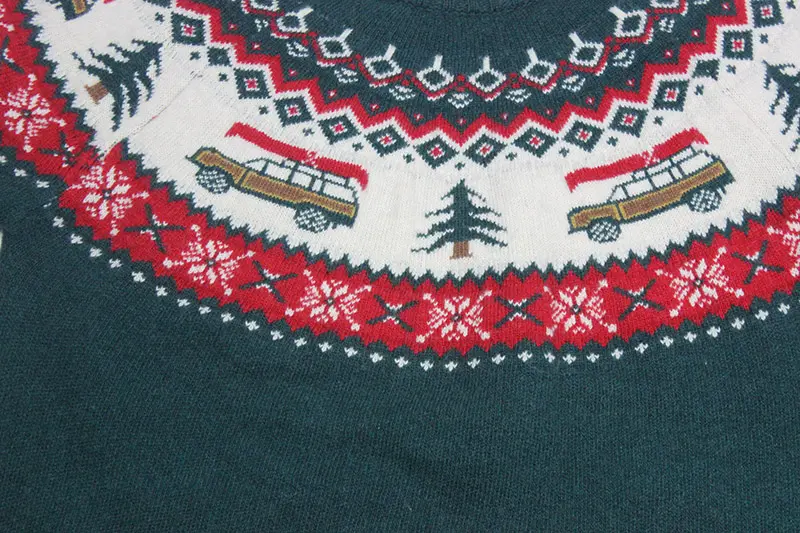
wool-blend-christmas-jumper-sample-check.webp
Alt: Close-up of camper van and tree motifs across a dark green Christmas jumper
Hand feel is one of the main reasons buyers consider wool blend. A good wool-blend yarn can feel more substantial and less synthetic than some basic material options. It may also give the jumper a more textured, winter-ready character.
The risk is that some wool blends may feel scratchy or dry against the skin. This depends on the wool type, fibre percentage, yarn quality and finishing. The same "wool blend" description can produce very different results from one yarn option to another.
When reviewing a sample, do not only look at photos. Handle the garment. Check the inside as well as the outside. Necklines, cuffs and seams matter because these areas touch the skin more directly.
Useful sample checks include:
- Does the jumper feel soft enough at the neck and cuffs?
- Does the inside feel rougher than the outside?
- Does the texture fit the target retail price?
- Does the jumper feel warm and substantial, or just heavy?
- Would the hand feel be acceptable for the intended customer group?
If the order is for children, sensitive wearers or a broad public campaign, comfort testing becomes more important.
Wool Percentage: Why Buyers Should Ask for the Composition
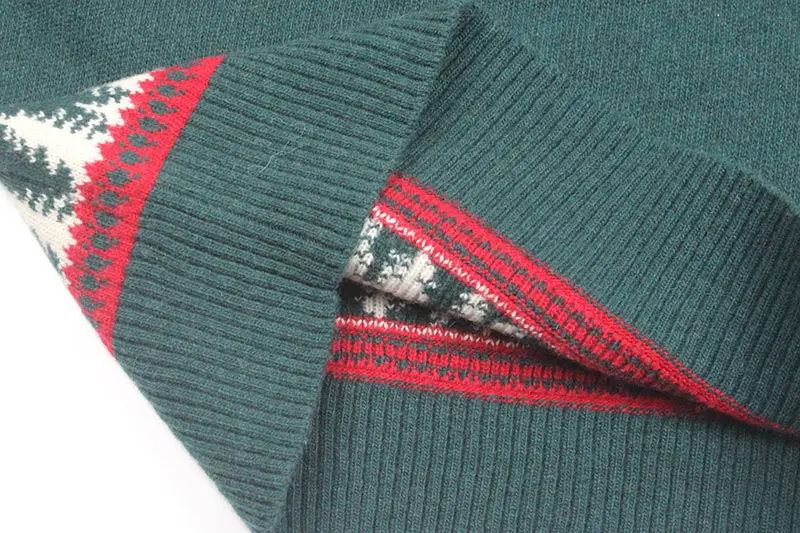
wool-yarn-blend-options-for-christmas-jumpers.webp
Alt: Close-up of dark green ribbing and the inside of a patterned Christmas jumper edge
The fibre composition should be clear before quoting, sampling and approving production. A buyer may see "wool blend" and assume a high wool content, but the actual percentage may be modest.
A lower wool percentage may still be useful if it adds a slight warmer touch while keeping price and care more manageable. A higher wool percentage may support a stronger premium position, but it can raise cost and may require more careful washing instructions.
Ask the supplier to confirm:
- wool percentage
- other fibres in the blend
- expected hand feel
- care label direction
- whether the same composition will be used for bulk production
- whether colour or yarn availability affects the final composition
This information helps the buyer avoid misunderstanding. It also helps retail and private label teams prepare product descriptions, care labels and customer service information more accurately.
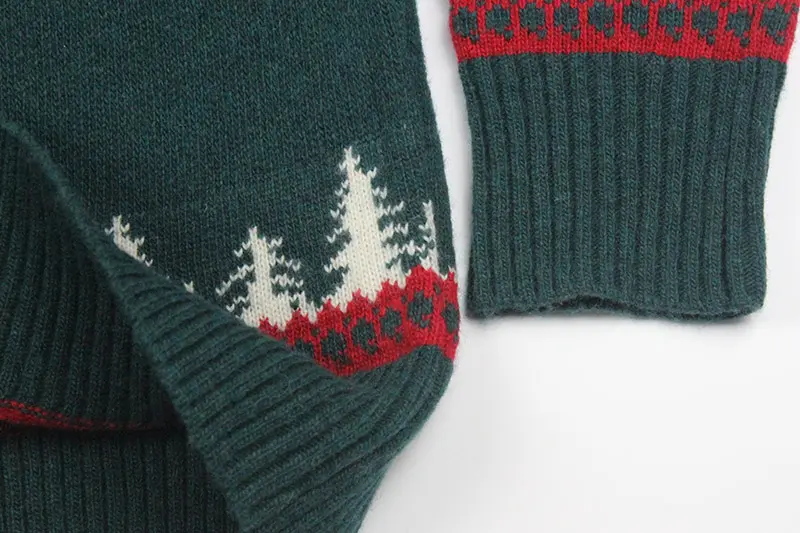
Care and Washing: Do Not Leave This Until the End
wool-blend-christmas-jumper-care-label-review.webp
Alt: Dark green Christmas jumper cuff and hem with red and white tree patterns
Care is one of the most practical differences between wool blend and some other Christmas jumper materials. Depending on the composition and construction, wool-blend jumpers may need more careful washing than basic acrylic options.
That does not automatically make wool blend a problem. It simply means buyers should confirm care expectations early. If the end customer expects easy machine washing, the care label must be realistic. If the jumper is positioned as a more premium item, customers may accept more careful washing instructions.
Before approving the order, check:
- recommended washing method
- whether machine washing is suitable
- water temperature guidance
- drying instructions
- whether the garment may shrink, felt or lose shape if washed incorrectly
- whether the care label matches the buyer's market expectations
Care instructions should not be guessed after production. They should be part of the sample and approval discussion.
Allergy and Skin Sensitivity Concerns
Some wearers are sensitive to wool. Others may not have a true allergy but may still find certain wool blends itchy. For bulk buyers, this matters because the jumper may be sold or gifted to a wide range of people.
If the target customer group is broad, avoid assuming that wool blend will be comfortable for everyone. Review the sample carefully and consider where the garment touches the skin. Crew necks, cuffs and collars are common areas where roughness is noticed.
For private label and retail orders, buyers may also want clear fibre information on labels and product pages. For corporate gifting, comfort may be more important than premium fibre language because recipients may wear the jumper at events or in offices.
Wool blend can still be a good choice, but the sample must prove that the feel is acceptable for the intended use.
Price Differences: What the Extra Cost Should Pay For
Wool-blend Christmas jumpers usually cost more than basic acrylic options. The exact difference depends on the wool percentage, yarn quality, garment weight, design complexity, order quantity and finishing requirements.
A higher price can make sense when the buyer receives a clear benefit, such as:
- better warmth for colder markets
- a more substantial hand feel
- stronger retail positioning
- a material story that fits the brand
- a more suitable option for a premium private label range
The extra cost is harder to justify when the order is mainly price-driven, used for short events, or sold in a very competitive low-price market.
A practical way to decide is to compare samples side by side. Ask whether the wool-blend version feels different enough to support the higher price. If the difference is small, another blend may be more sensible.
Wool Blend Compared with Acrylic and Cotton Blends
Wool blend is not simply "better" than acrylic or cotton blend. Each option serves a different buying situation.
Acrylic can work well when buyers need a cost-effective, warm-feeling Christmas jumper with strong colour and pattern options. It is common in bulk seasonal orders because it can balance price, weight and design flexibility.
Cotton and cotton blends may work better when buyers want a softer, more breathable feel, especially for indoor wear or lighter seasonal use. They may not always feel as winter-warm as wool blends, depending on the construction.
Wool blend sits in a different position. It can support a warmer, more premium-feeling jumper, but it needs closer attention to hand feel, care and price.
For buyers, the decision is not about choosing the most impressive material name. It is about matching the material to the order purpose.
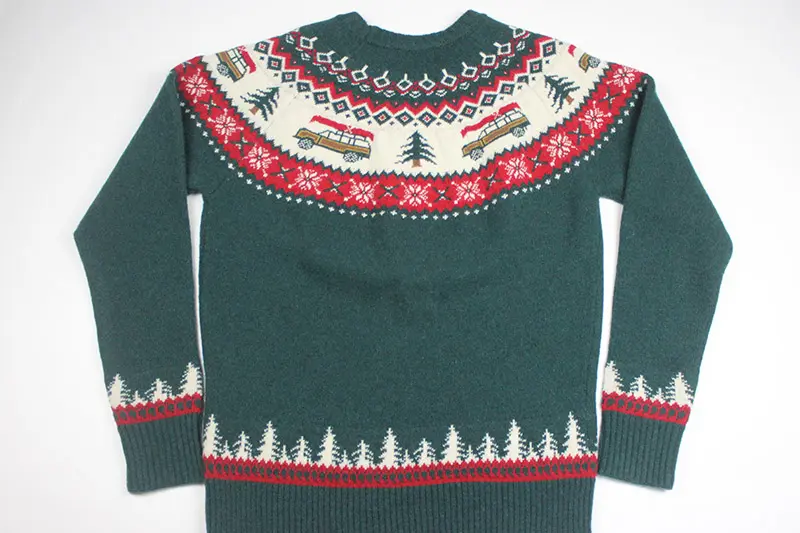
When Wool Blend Makes the Most Sense
premium-wool-blend-christmas-jumpers-private-label.webp
Alt: Back of a dark green Christmas jumper with camper van and tree patterns
Wool blend is often worth considering for:
- premium retail Christmas jumpers
- private label seasonal collections
- boutique festive knitwear ranges
- Nordic or winter-themed designs where warmth supports the concept
- corporate gifts with a higher budget and more careful presentation
- cooler-market ranges where customers expect a warmer garment
It may be less suitable for:
- very price-sensitive promotional orders
- one-day event giveaways
- orders where recipients expect very easy care
- customer groups likely to be sensitive to wool texture
- designs where the material benefit is not visible or noticeable enough
These are not fixed rules. Sampling is the deciding step.
What to Check Before Approving a Wool-Blend Sample
A wool-blend sample should be checked more carefully than just colour and size. Buyers should review the material performance and the wearing experience.
Key checks include:
- fibre composition matches the requested blend
- hand feel is suitable on both outside and inside
- neckline and cuffs do not feel too rough
- garment weight matches the target use
- warmth feels appropriate for the market
- design details remain clear in the chosen yarn
- measurements and shape recovery are acceptable
- care instructions are realistic
- price difference is justified by the final feel
If the sample does not clearly support the premium direction, ask whether a different wool percentage, yarn blend or non-wool option would be more practical.
What Information to Send Before Asking for Wool-Blend Options
A supplier can give better advice when the buyer shares the order context. Before asking for wool-blend options, prepare:
- target market and selling channel
- expected retail price or budget level
- order quantity
- adult, children's or mixed size range
- design artwork or reference style
- preferred garment weight or seasonality
- care expectations
- whether the jumper is for retail, gifting, charity, market selling or private label
- any sensitivity concerns for the intended wearer group
This helps narrow the material choices. It also prevents the discussion from becoming only about fibre names instead of the actual product requirement.
Conclusion
Wool blend can be a strong option for premium Christmas jumpers, but it should be chosen for clear reasons: warmer feel, better hand touch, stronger seasonal positioning or a more suitable private label story.
It is not automatically the right choice for every bulk order. Buyers should check wool percentage, hand feel, care instructions, sensitivity risk and price difference before approving the material direction.
The best decision usually comes from comparing real samples, not only reading fibre names on a quotation. If the wool-blend sample feels better in a way your customer will notice, the higher cost may be justified. If the benefit is small, acrylic, cotton blend or another material direction may be more practical.
Related Guides
- common Christmas jumper materials
- acrylic Christmas jumpers
- cotton-blend Christmas jumpers
- custom Christmas jumper order details
- custom Christmas jumper options
- custom production services
FAQ
Send your artwork, target market, expected retail position, quantity, preferred hand feel and care expectations. We can help review whether a wool blend is worth sampling.
Send your wool-blend jumper order details